Descripción conceptual
ONOMATOPEYA (SONIDO DEL MAR INTERPRETADO POR PERSONA QUE CRUZÓ EL MEDITERRÁNEO EN
PATERA)
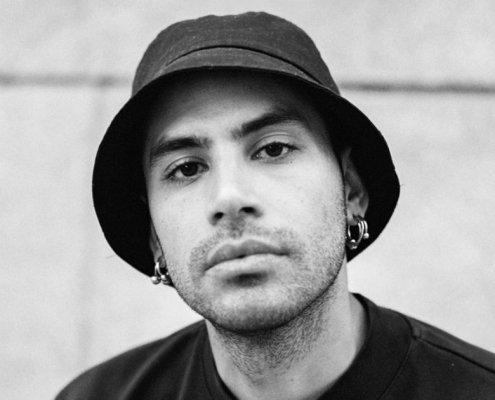
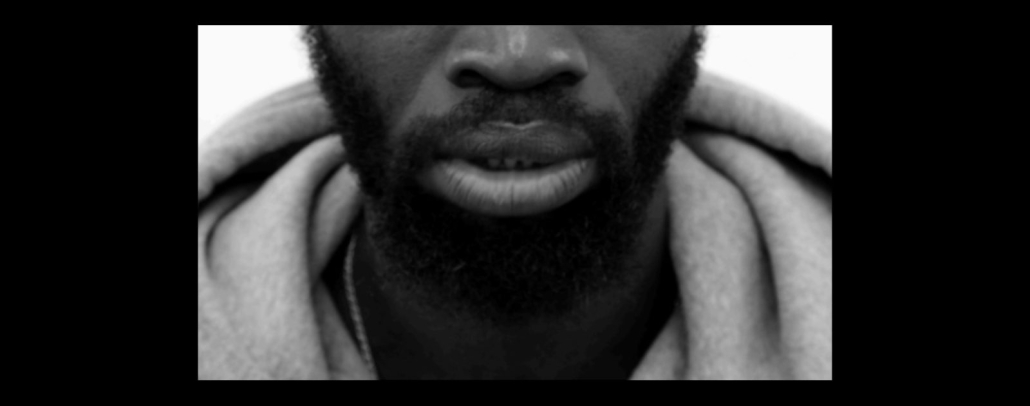
Se entiende la onomatopeya como una de la primeras formas de lenguaje, ocupándose en la obra como dispositivo de protesta. Al mismo tiempo, se presenta la idea de la imposibilidad de la palabra frente al horror. La pieza hace referencia a las miles de personas que desaparecen y mueren intentando cruzar el mediterráneo para llegar a costas europeas y confronta las políticas migratorias racistas y asesinas que se basan en estructuras de poder xenófobas y supremacistas.
La obra sitúa el cuerpo y su experiencia a través de un ejercicio fónico. Mediante la reconceptualización, se usa la onomatopeya para generar un vínculo directo entre persona, espacio, contexto y materia. Valiéndose de una revisión a la noción de “imagen acústica”, se indaga en esta figura retórica y su codificación semiológica.
//
ONOMATOPOEIA (SOUND OF THE SEA PRODUCED BY A PERSON WHO CROSSED THE MEDITERRANEAN IN A SMALL BOAT)
This work places the body and lived experience at its center through a vocal exercise. By reconceptualizing the notion of onomatopoeia, it establishes a direct connection between the individual, space, context, and materiality. The piece unfolds as a structure that reflects on the inadequacy of language in the face of horror. Onomatopoeia—understood as one of the earliest forms of language—is employed here as a tool of protest.
Through a reexamination of the concept of the “acoustic image,” the work investigates the relationship between language and its encoding, prompting semiotic reflections on the tension between sign and experience.
The number of people who have died attempting to cross the Mediterranean has made it one of the deadliest borders in the world. ONOMATOPOEIA confronts the migratory crisis as a historical and geopolitical site, exposing the direct link between structures of power and conditions of precarity, supremacy, control, and death.
Audiovisual
IN-SONORA 14
Cruce Contemporáneo
Opening 25.03, 19h.
Visitas: Jueves 26 y Viernes 27; 17-20h., Sábado 28; 11-14h.
C. Doctor Fourquet, 5
Madrid